How to Choose the Best Stones for Your Landscaping Projects

Choosing the right stones for your landscaping projects can transform your outdoor space into a stunning and functional area. Stones add texture, colour, and structure to gardens, pathways, patios, and water features. However, with so many options available, selecting the best stones can be overwhelming. This guide will help you understand the different types of landscaping stones, their uses, and how to pick the perfect ones for your project.
Understanding Different Types of Landscaping Stones
Landscaping stones come in various shapes, sizes, colours, and textures. Knowing the characteristics of each type will help you make an informed decision.
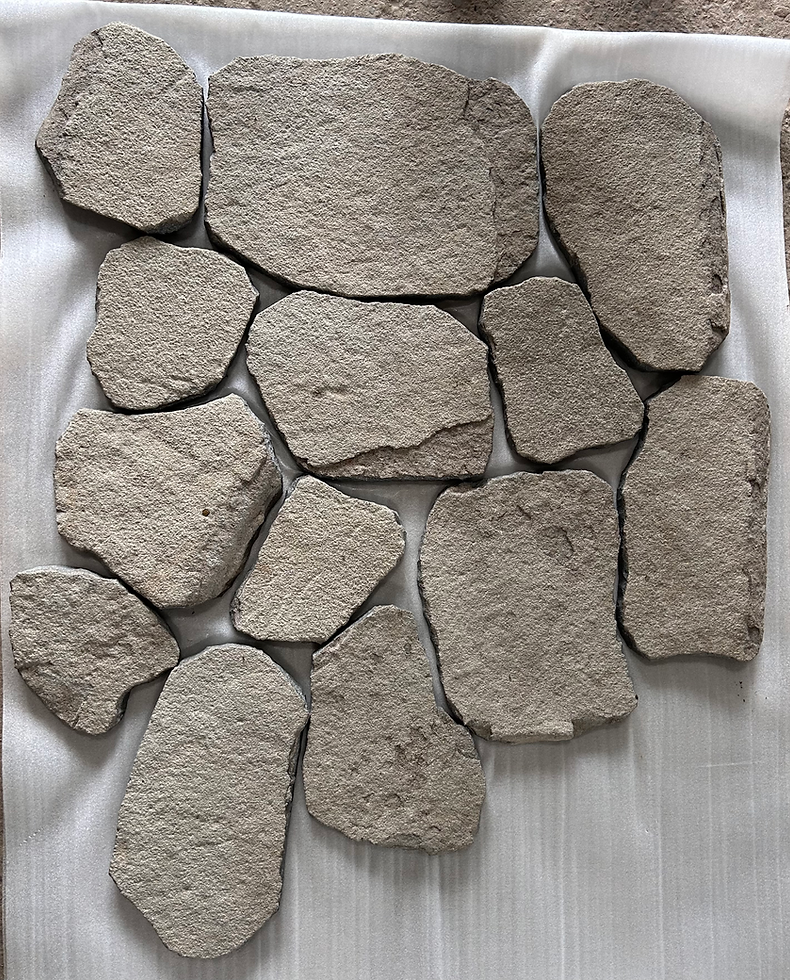
Flagstone: Flat and thin, flagstones are ideal for patios, walkways, and stepping stones. They provide a natural look and are easy to install.
River Rock: Smooth and rounded, river rocks are perfect for water features, garden beds, and borders. They add a soft, organic feel.
Gravel: Small, loose stones used for driveways, paths, and drainage. Gravel is affordable and easy to maintain.
Boulders: Large, natural stones used as focal points or retaining walls. Boulders create a dramatic effect.
Crushed Stone: Angular stones used for driveways and as a base for pavers. They provide excellent drainage and stability.
Each stone type has unique benefits and is suited for specific landscaping needs. Consider the function and style you want to achieve before choosing.
How to Select Landscaping Stones for Your Project
Selecting the right stones involves several factors. Here are key considerations to guide your choice:
1. Purpose and Functionality
Determine what role the stones will play in your landscape. Are they for a decorative border, a walking path, or a retaining wall? For example, flagstones work well for patios because they provide a flat surface, while boulders are better for creating natural barriers or focal points.
2. Size and Shape
The size and shape of stones affect both aesthetics and practicality. Large stones can be eye-catching but may be difficult to move and install. Smaller stones like gravel are easier to handle but may require edging to keep them contained.
3. Colour and Texture
Choose stones that complement your garden’s colour palette and style. Warm-toned stones like sandstone add a rustic feel, while cool-toned granite offers a modern look. Texture also matters - smooth stones create a polished appearance, while rough stones add natural ruggedness.
4. Durability and Maintenance
Consider the climate and exposure to elements. Some stones are more resistant to weathering and staining. For example, granite is highly durable, while limestone may erode over time. Also, think about how much maintenance you are willing to do.
5. Budget
Stones vary widely in cost depending on type, size, and source. Set a budget and look for options that offer the best value without compromising quality.
By carefully evaluating these factors, you can select stones that enhance your landscape’s beauty and functionality.
Tips for Using Landscaping Stones Effectively
Once you have chosen your stones, proper use and installation are crucial for a successful project. Here are some practical tips:
Plan Your Layout: Sketch your design and measure the area to estimate how many stones you need.
Prepare the Base: For paths and patios, lay a solid base of crushed stone or sand to ensure stability and drainage.
Mix Stone Sizes: Combining different sizes and shapes can create a more natural and appealing look.
Use Edging: Install edging materials to keep loose stones like gravel in place.
Consider Drainage: Ensure water flows away from structures to prevent pooling and erosion.
Seal Stones if Needed: Some stones benefit from sealing to protect against stains and weather damage.
Following these tips will help your landscaping stones last longer and look better.
Where to Find Quality Landscaping Materials
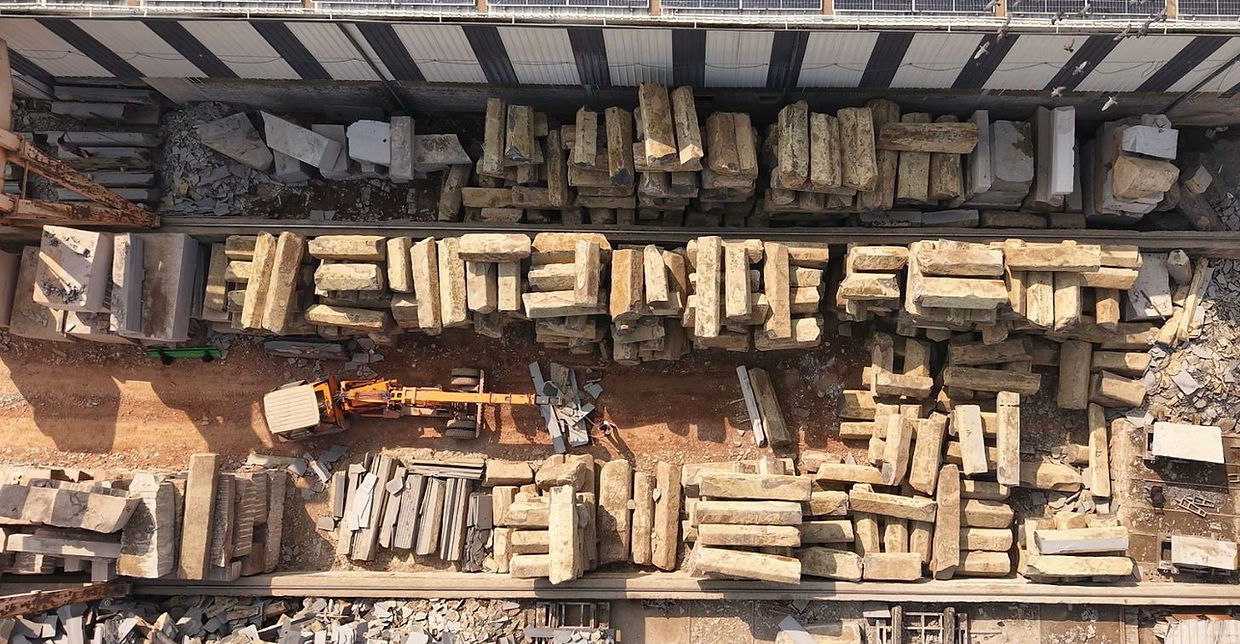
Finding reliable suppliers is essential to get quality landscaping materials that meet your project’s needs. Look for vendors who offer a wide selection of stones, provide detailed product information, and have good customer reviews. Local suppliers can also help you save on shipping costs and ensure the stones are suitable for your region’s climate.
Visiting a stone yard or showroom allows you to see and feel the stones before buying. Ask about delivery options, return policies, and any installation advice they can provide. Investing in quality materials upfront will save you time and money in the long run.
Enhancing Your Landscape with Stones
Landscaping stones are versatile and can be used creatively to enhance your outdoor space. Here are some ideas:
Create Pathways: Use flagstones or gravel to define walkways that guide visitors through your garden.
Build Retaining Walls: Stack boulders or cut stones to hold back soil and add dimension.
Design Water Features: Incorporate river rocks around ponds or fountains for a natural look.
Add Mulch Alternatives: Use crushed stone or pebbles instead of organic mulch for low-maintenance beds.
Construct Fire Pits: Arrange stones in a circle to create a cozy gathering spot.
Experiment with different stone types and arrangements to find what suits your style and space best.
Choosing the right landscaping stones is a rewarding step toward creating a beautiful and functional outdoor environment. With the right knowledge and resources, you can select stones that not only look great but also stand the test of time.


Comments